This picture is a reminder about the wow married couples make during their D-day!
How fragile can a marriage be?
An educational psychologist illustrated the second quotebelow that how one squeezes a toothpaste tube (in the middle) became the triggering point for a divorce!
Squeezing the anger … (Photo by Anna Shvets on Pexels.com)
Quote:-
Dave Meurer:“A great marriage is not when the ‘perfect couple’ comes together. It is when an imperfect couple learns to enjoy their differences.”
Don’t hang on to small annoyances. So many marriages have slowly deteriorated over the smallest, silliest things. Lisa Jacobson
Challenge of Silence : In this week , I am taking challenge of not speaking any word whole week , if their any important communication and emergency then I’ll contact or communicate only using what’s app and email. Benefits of Speaking Less Wise men speak when they have something to say. Fools speak because they […]
Hidup adalah perjalanan sementara. Sebilangan besar pesakit barah mengaitkan barah dengan prospek kematian. Tetapi sama ada seseorang itu menghidap barah, penyakit lain (Covid-19, serangan jantung, strok, dan lain-lain) atau kecederaan yang tidak disengajakan, hidup adalah sesuatu perjalanan. Menurut Tuan Allan, hidup adalah perjalanan sementara.
Saya berjumpa dengan Tuan Allan di sebuah hospital awam dua dekad yang lalu, ketika saya seorang jururawat muda. Salah satu soalan yang saya ajukan adalah, “bagaimana perasaan anda tentang penyakit anda?”. Sambil mendengarkannya, dia berusaha mencari jalan untuk menjelaskannya kepada saya.
Ini adalah salah satu jawapan paling tenang yang saya dapat ketika itu. – Serena Chen
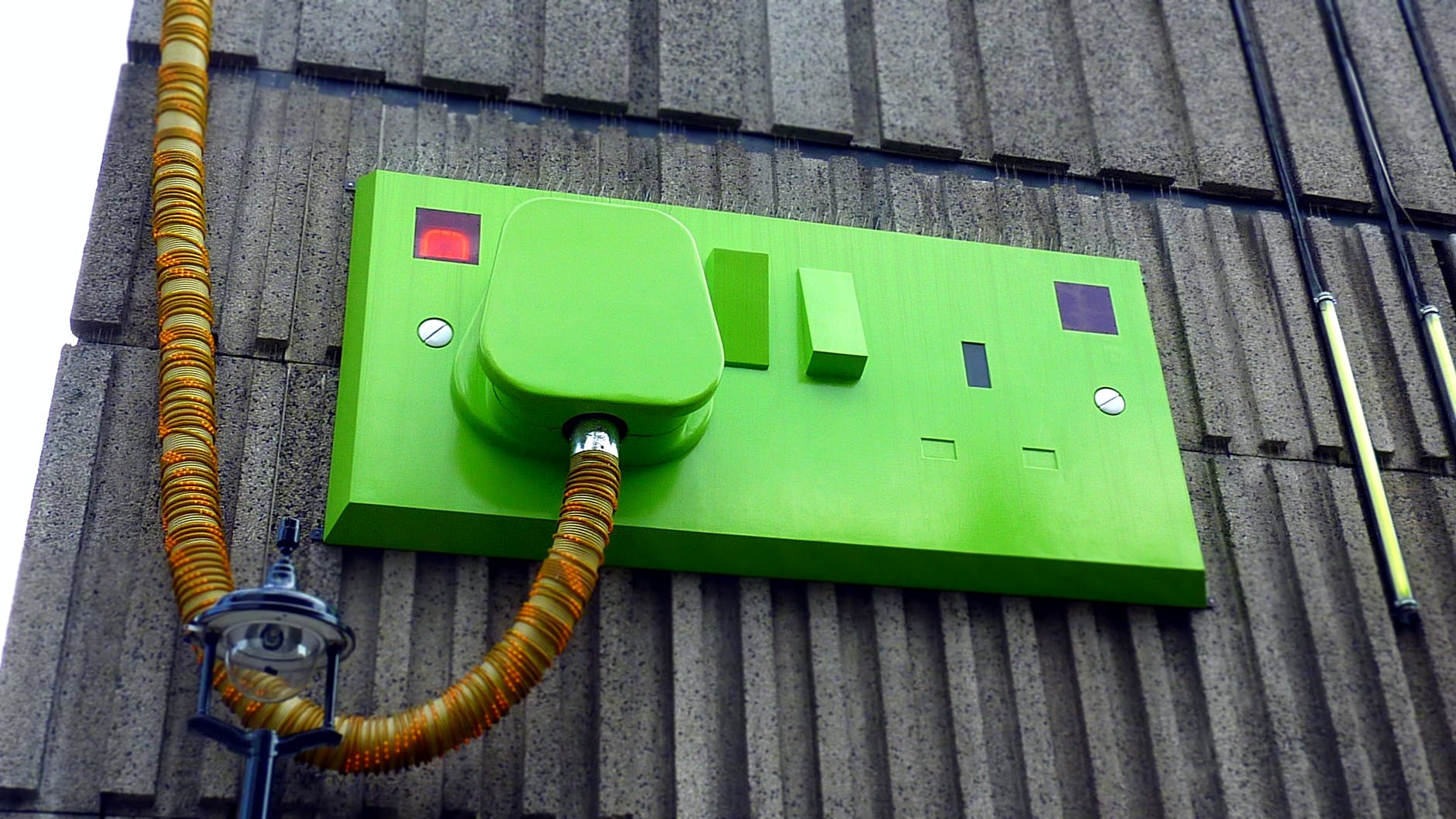
“Lihat kabel elektrik ini di sini. Ia terpasang pada sumber di dinding. Kehidupan adalah perjalanan sementara (dia menunjuk sepanjang wayar). Menghidap barah hanyalah sebahagian dari perjalanan saya. Tidak lama lagi saya akan kembali ke tempat asal saya. (menunjuk sumber di dinding) – kembali kepada Tuhan, kembali ke syurga. “– Encik Allan
[sementara kita tidak melihat perkara-perkara yang dilihat, tetapi pada perkara-perkara yang tidak dilihat; kerana perkara-perkara yang dilihat bersifat sementara, tetapi perkara yang tidak dilihat itu kekal. Google translated] . while we look not at the things which are seen, but at the things which are not seen; for the things which are seen are temporal, but the things which are not seen are eternal.
[“Jadilah di dunia ini seolah-olah anda orang asing atau pengembara.” (Nabi Muhammad) -google translated]. “in this world as if you were a stranger or a traveller.” (The Prophet Muhammad)
[ “Kami adalah pelawat di planet ini. Kami berada di sini selama seratus tahun paling banyak. Dalam tempoh itu, kita mesti berusaha melakukan sesuatu yang baik, sesuatu yang bermanfaat, dengan kehidupan kita. jika anda menyumbang kepada kebahagiaan orang lain, anda akan menemui erti kehidupan yang sebenarnya. ” – Dalai Lama – google translated]. “We are visitors on this planet. We are here for one hundred years at the very most. During that period we must try to do something good, something useful, with our lives. if you contribute to other people’s happiness, you will find the true meaning of life.” – Dalai Lama
A man was taking his son out for a walk in a nearby forest. Suddenly the boy tripped and feeling a sharp pain, he screamed, ‘AHHH!’ Surprised, he hears a voice coming from the mountain, ‘AHHH!’ He was completely taken aback as it was his first experience of an ECHO. Filled with curiosity, he screams a […]
Laughter (Photo by Rodolfo Quiru00f3s on Pexels.com)
******
A group of tourists sat down to try a street food- steamboat. They watched a group on the next table. A local teenager picked up a button mushroom with a pair of chopsticks… slowly, slowly, … into his mouth!
This group decided to try it as a game among themselves. One button mushroom flew to the next table instead! Both groups broke out into laughter!
When the elevator is out again, is it time to groan or to go with a sedentary staff‘s exercise?
Forget about the 10,000 steps, this climbing up stairs is even more challenging!
Nowadays there are inbuilt pedometer apps on mobile phones to track one’s daily steps… That is, if one remembers to carry the phone along when one moves around!
******
Quote:
“The elevator to success is out of order. You’ll have to use the stairs, one step at a time.” — Joe Girard
“Just one small positive thought in the morning can change your whole day.” — Dalai Lama









 Chen Song Ping